
Good Nutrition Fuels Children’s Growth
Good Nutrition Fuels Children’s Growth
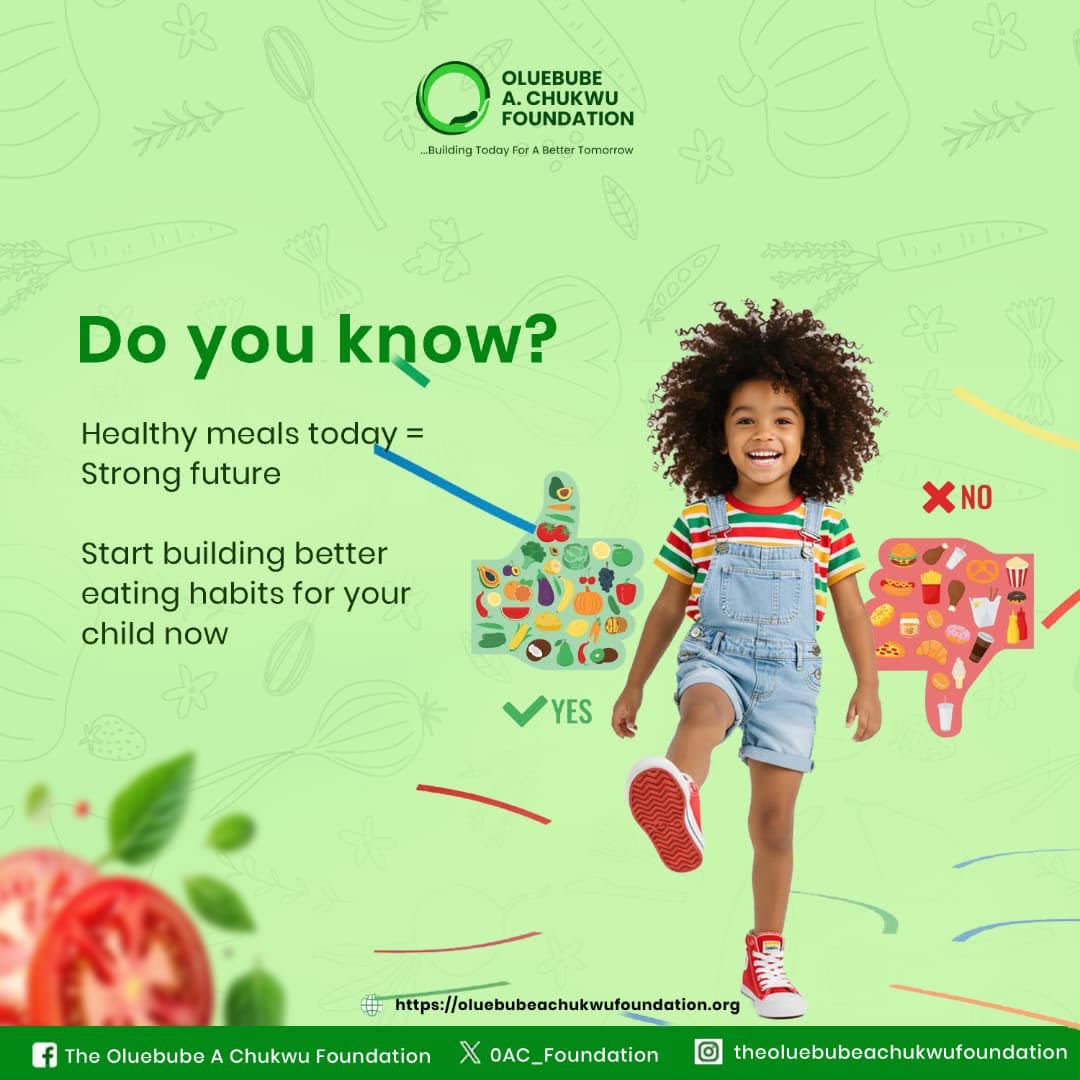
Every child deserves the chance to grow, learn, and thrive and one of the most powerful tools to make this possible is proper nutrition. The phrase “good nutrition fuels children’s growth” is not just a slogan; it is a reality backed by science and everyday experience. When children eat balanced, nourishing meals, their bodies develop properly, their brains function better, and their immune systems become stronger.
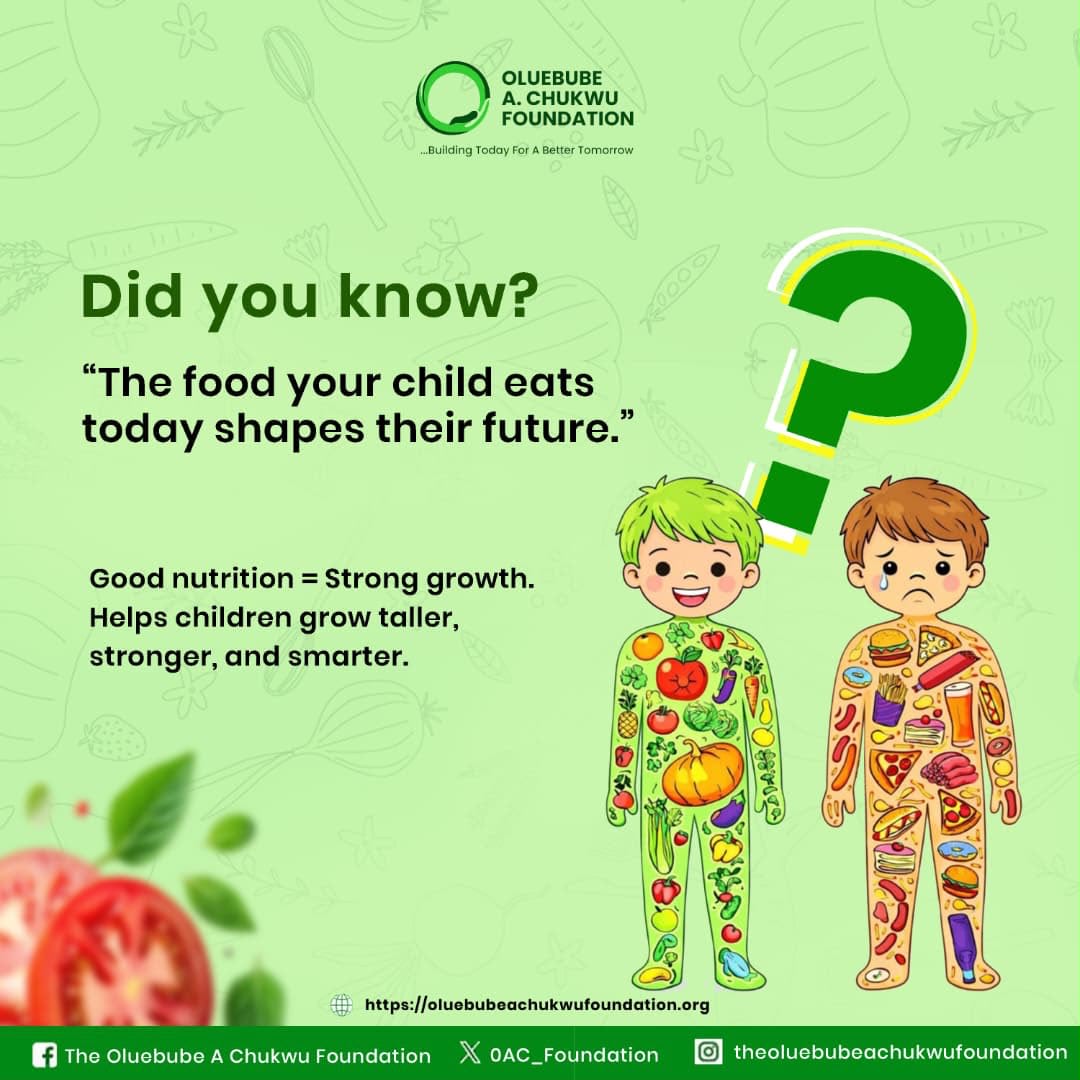
Nutrition plays a critical role in a child’s physical and mental development. From infancy through adolescence, children require essential nutrients such as proteins, carbohydrates, healthy fats, vitamins, and minerals. These nutrients support bone growth, muscle development, brain function, and energy levels. Without adequate nutrition, children may experience stunted growth, poor academic performance, and increased vulnerability to illnesses.
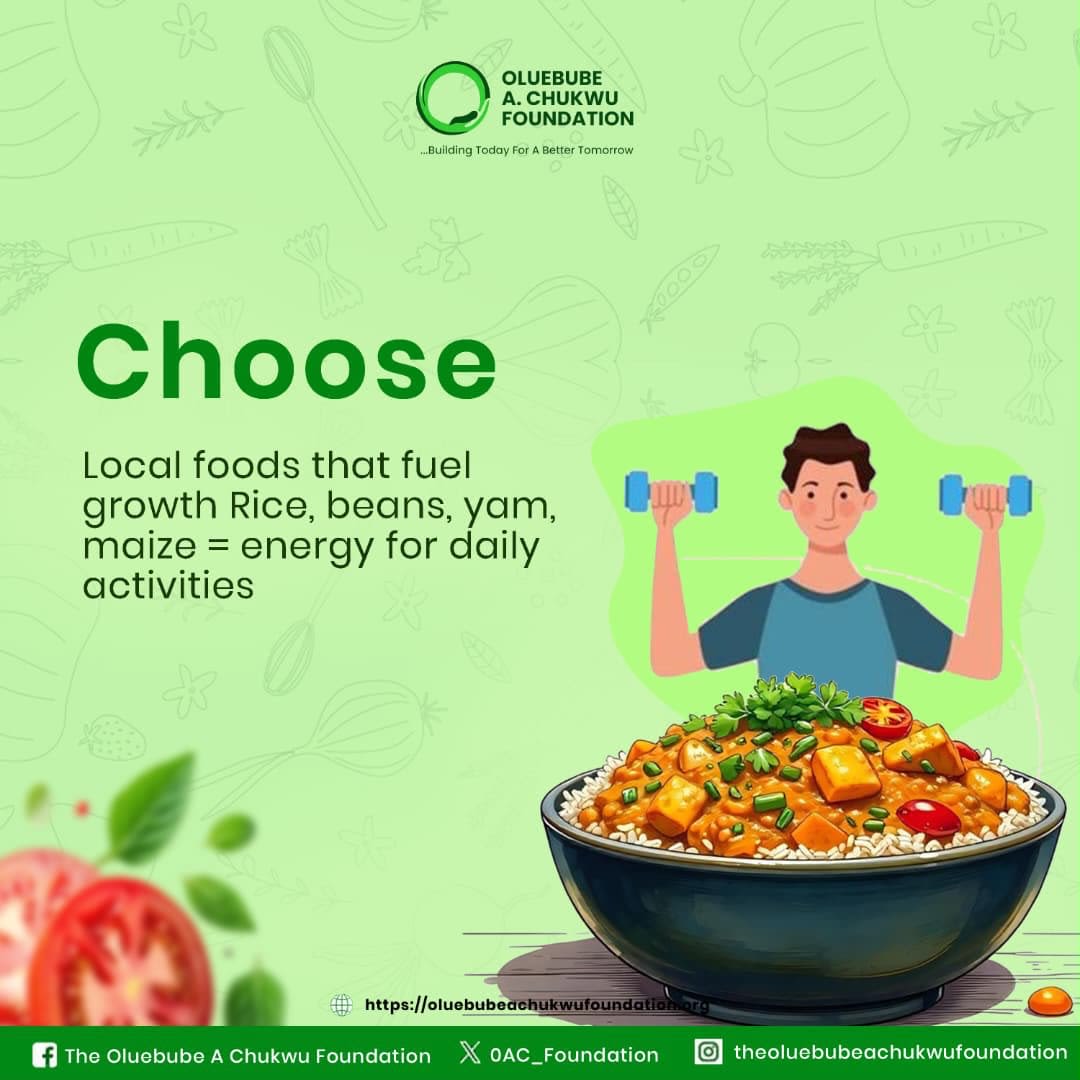
In the Nigerian context, achieving good nutrition does not necessarily require expensive or imported foods. Many locally available and affordable foods provide the nutrients children need. Staples like rice, beans, yam, garri, and maize are rich in carbohydrates and provide energy for daily activities. Protein-rich foods such as beans, eggs, fish, groundnuts, and locally sourced chicken help build strong muscles and tissues. Incorporating these into children’s daily meals ensures a balanced diet.
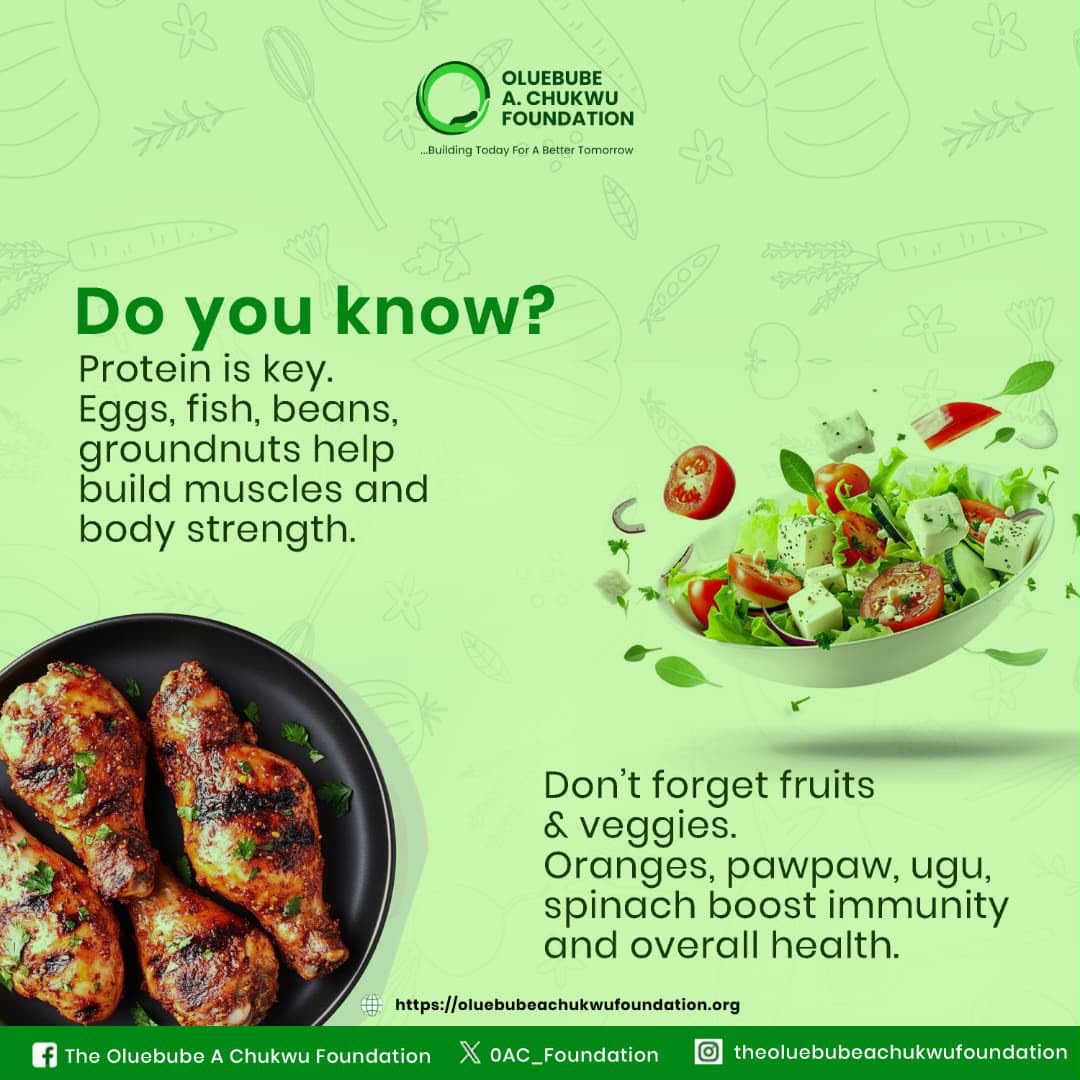
Fruits and vegetables are equally important and should not be overlooked. Locally available options like oranges, bananas, pawpaw (papaya), mangoes, ugu (fluted pumpkin leaves), okra, and spinach are packed with vitamins and minerals that boost immunity and support healthy development. Traditional soups such as egusi, ogbono, and vegetable soup, when prepared with a variety of ingredients, can be highly nutritious for growing children.
Meal planning also plays a key role in ensuring children get the best nutrition. Simple combinations like rice and beans, yam and egg sauce, or pap (akamu) with milk and groundnuts provide a balanced mix of nutrients. Parents and caregivers should aim to include at least one protein source, a carbohydrate, and some fruits or vegetables in every meal. Consistency is important healthy eating habits formed early in life often last into adulthood.
Ultimately, good nutrition is a shared responsibility between families, communities, and institutions. Schools can support by encouraging healthy meals, while communities can promote awareness about proper feeding practices. When we prioritize children’s nutrition using the resources available within our environment, we are investing in a healthier, stronger future generation. Healthy children grow into capable adults, and it all begins with what they eat today.
0 Comments